


Mastering Practical Homesteading Skills for Self-Sufficiency: Learning Homesteading Practices
- amurphy
- Feb 24
- 4 min read
There’s a special kind of peace that settles over a homestead when the sun dips low and the crickets start their evening song. It’s a peace born from knowing you’ve worked with your hands, trusted the land, and leaned on faith to guide your family through the seasons. Learning homesteading practices is more than just a way to live - it’s a journey back to simplicity, to family, and to God’s provision. I’ve found that embracing this lifestyle not only nurtures the soil but also the soul.
Embracing the Heart of Learning Homesteading Practices
When I first set foot on our small piece of land, we knew we would start a garden, but we weren't sure what other paths we might explore. This was family land with its own history and story, and what we would add to it remains to be discovered., Homesteading isn’t just about planting a garden or raising a few chickens; it’s about cultivating a way of life that honors God’s creation and provides for your family in a meaningful way. Learning homesteading practices means rolling up your sleeves and getting your hands dirty, but it also means opening your heart to patience, perseverance, and faith.
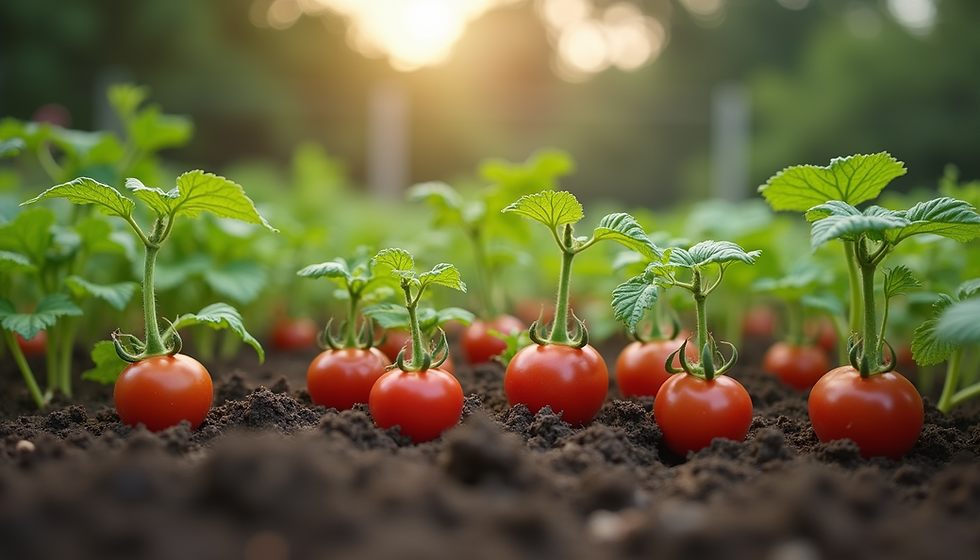
One of the first lessons I learned was the importance of starting small. Whether it’s a few tomato plants or a couple of hens, beginning with manageable projects helps build confidence and skills. Over time, these small steps grow into a self-sufficient rhythm that blesses your family and glorifies God’s provision.

What are the Practices of Homesteading?
Homesteading is a tapestry woven from many threads, each one essential to the whole. Here are some of the core practices that have shaped my journey:
Gardening and Food Preservation: Growing your own fruits and vegetables is the cornerstone. Learning to can, dry, or freeze your harvest ensures your family enjoys the fruits of your labor year-round.
Raising Livestock: Chickens for eggs, goats or a cow for milk, and bees for honey - each animal brings its own blessings and responsibilities.
Renewable Energy and Water Management: Installing solar panels or rainwater collection systems helps reduce reliance on outside resources.
Building and Repair Skills: From fixing fences to constructing simple outbuildings, practical skills keep the homestead running smoothly.
Cooking from Scratch: Baking bread, making butter, and preparing meals from whole ingredients connect us to the food we eat and the traditions we cherish.
Faith and Family Time: Setting aside moments for prayer, Bible study, and family meals strengthens the bonds that hold the homestead together.
Each of these practices requires patience and a willingness to learn. But the rewards - fresh food, a closer family, and a deeper trust in God’s provision - are worth every effort.
Cultivating Practical Homesteading Skills with Faith and Family
One of the most beautiful parts of homesteading is how it draws your family closer. When we work side by side planting seeds or gathering eggs, we’re not just tending the land - we’re nurturing relationships. Teaching children how to care for animals or preserve food becomes a living lesson in responsibility and gratitude.
Faith is the foundation that holds it all together. On tough days, when the weather doesn’t cooperate or a crop fails, prayer and scripture remind us that God’s grace is sufficient. We lean on verses like Philippians 4:13, “I can do all things through Christ who strengthens me,” to keep going.
I encourage you to make your homestead a place where faith and work meet. Start your mornings with a prayer over the land. Share stories from the Bible that relate to stewardship and provision. Let your children see that homesteading is not just about survival, but about living out God’s call to care for His creation.

Practical Tips for Building Your Homestead Step by Step
Starting a homestead can feel overwhelming, but breaking it down into simple steps makes it manageable. Here’s a roadmap that helped me:
Assess Your Land and Resources
Take stock of what you have - soil quality, water sources, sunlight, and existing structures. This will guide your planning.
Set Realistic Goals
Decide what you want to achieve this year. Maybe it’s a small garden or a few chickens. Write down your goals and revisit them often.
Learn and Practice Skills Gradually
Don’t rush. Focus on mastering one skill at a time, whether it’s seed starting, composting, or basic carpentry.
Connect with a Community
Join local homesteading groups or online forums. Sharing experiences and advice can be a tremendous encouragement.
Keep Faith at the Center
Remember that homesteading is a journey of trust. Pray for wisdom, patience, and provision as you grow.
Document Your Progress
Keep a journal or blog to track what works and what doesn’t. This will be a treasure trove of knowledge for you and others.
By following these steps, you’ll build a homestead that not only supports your family’s needs but also reflects your values and faith.
Finding Joy in the Simple Life
There’s a quiet joy in waking up to the rooster’s crow, in the smell of fresh bread baking, and in the sight of a thriving garden. Homesteading teaches us to slow down and appreciate the little things - the miracle of a seed sprouting, the warmth of a fire on a cool evening, the laughter of children playing outside.
Living simply doesn’t mean giving up comforts; it means choosing what truly matters. It means trusting God to provide and finding contentment in His blessings. As I’ve learned to embrace this lifestyle, I’ve discovered a deeper sense of peace and purpose.
If you’re ready to start your own homesteading journey, remember that it’s not about perfection. It’s about progress, faith, and family. And with each step, you’re building a legacy of self-sufficiency and grace.
May your homestead be a place of growth, joy, and abundant blessings.


Comments